

- المعلم: Asst. Prof. Dr. Muayad Abbas
- المعلم: Asst. Prof. Dr. Imad Al- Fahad
- المعلم: Prof. Dr. Basim Rasam Ghdban
- المعلم: Lec. Dr. Abbas Kadhim Janabi

- المعلم: Prof. Dr. Haithem Ahmed Al-Rubaie
- المعلم: Asst. Prof. Dr. Sazan Abdulwahab Atrooshi
- المعلم: Asst. Prof. Dr. Issraa Ali Hussein
- المعلم: Lec. Dr. Zeena Safaa


This Behavioral Sciences course is designed to introduce fourth-year medical students to core concepts in clinical psychology, emphasizing psychological processes and their relevance to medical practice. Students will explore the psychological foundations of human behavior, including cognition, emotions, motivation, and interpersonal relationships. The course covers the recognition and assessment of common psychological issues that affect patient care, such as stress, coping mechanisms, and behavioral responses to illness. Through case discussions, interactive learning, and skill-building exercises, students will develop essential skills to promote mental wellness and effectively support patients in managing psychological aspects of their health.

- المعلم: Asst. Prof. Dr. Nabeel Ghazi Hashim
- المعلم: Asst. Lec. Ola Ammar Jasim
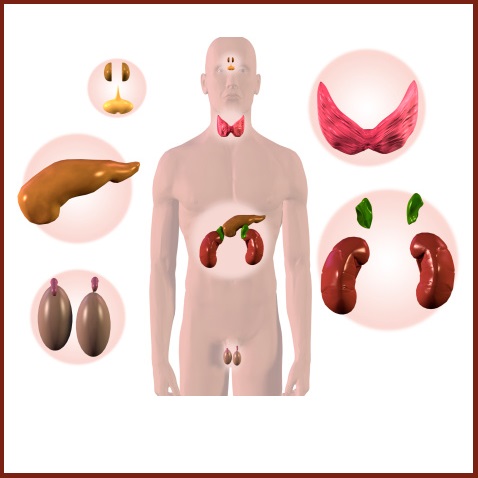
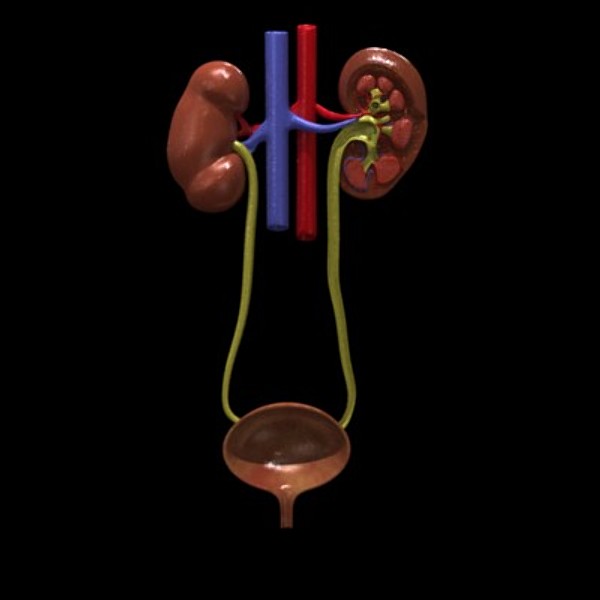
This module provides an integrated overview of the structure and function of the urinary system, emphasizing it's essential role in maintaining fluid, electrolytes and acid base balance as well as the excretion of metabolic waste products. Students will study the anatomy and physiology of the renal system. In addition, the module highlights common disorders of urinary system including acute and chronic kidney disease, urinary tract infections, glomerular diseases, renal involvement in systemic conditions, nephrolithiasis, kidney transplantation, and renal diseases during pregnancy.
By the end of the module, students will have a solid foundation for understanding renal health and disease and for applying this knowledge in clinical practice.
- المعلم: Lec. Dr. Huda Abd Al Abbas
- المعلم: Prof. Dr. Ali Allawi
- المعلم: Asst. Prof. Dr. Mohammed Hannon Alsodani